

Cut Runoff 60–80%: Permeable Patio Pros and Cons for Homeowners

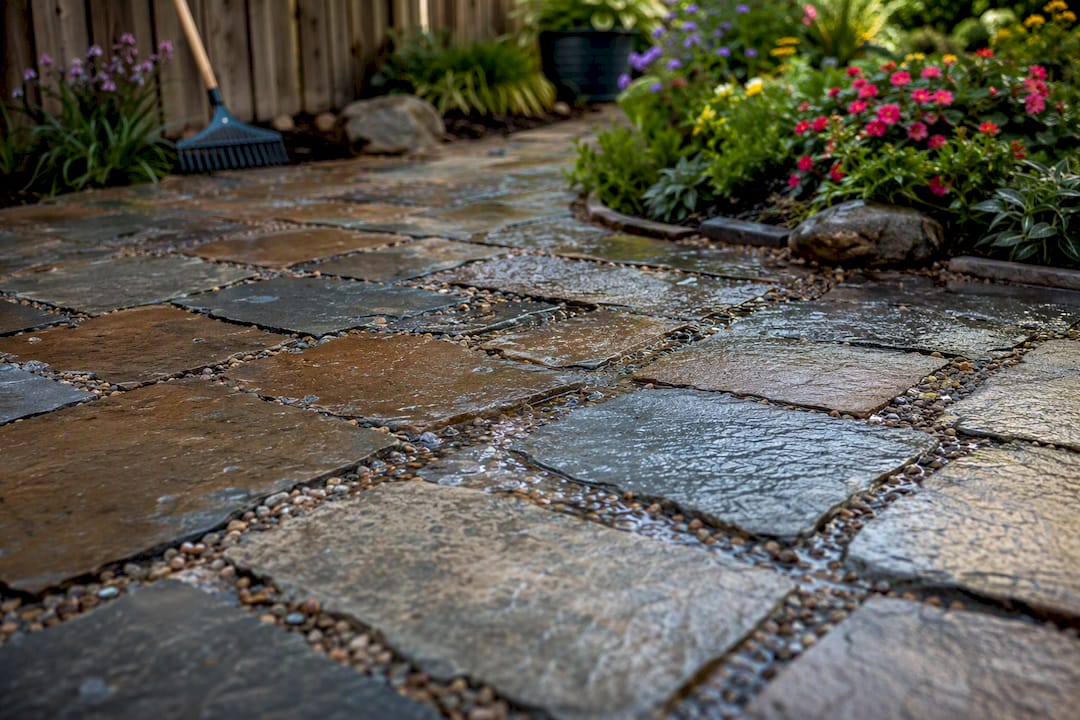
Permeable patios are worth it for most homeowners with decent soil drainage and a willingness to keep up with light seasonal maintenance. They cut stormwater runoff, filter pollutants before they reach storm drains, and reduce puddling on your patio. Skip them if your soil is dense clay, groundwater sits close to the surface, or you’re not prepared to vacuum sediment out once or twice a year.
TL;DR:
Permeable patios require regular maintenance such as joint vacuuming and debris removal to prevent clogging and maintain drainage performance over time.
They are best suited for areas with well-draining soil and should be avoided on dense clay or in zones with high groundwater levels.
Installation costs are higher than traditional patios due to deeper reservoirs, but long-term savings on stormwater and deicing expenses can offset initial expenses.
Permeable interlocking pavers are the most popular choice for residential patios, offering a good balance of aesthetics, permeability, and upkeep.
Heavy vehicle use, oil spills, and persistent sediment runoff can compromise system effectiveness, especially if maintenance schedules are neglected.
Table of Contents
Primary Benefits of a Permeable Patio Design
The environmental case for permeable patios is stronger than most homeowners realize. Water passes through the surface into a gravel reservoir below instead of sheeting off toward the street, and that single design shift changes how a property interacts with every storm.
Runoff by the Numbers: Permeable hardscapes cut annual runoff volume by roughly 60 to 80 percent compared with a solid concrete or asphalt patio.
That reduction matters beyond your yard. Less runoff means less pressure on municipal storm systems and less pollution reaching creeks and lakes. The aggregate base beneath the pavers also acts as a natural filter, breaking down hydrocarbons and fine pollutants before water ever reaches groundwater.
Practical, day-to-day benefits stack up too:
No standing puddles after rain, which means better footing and fewer mosquito breeding spots
Reduced ice glaze in winter since water drains instead of pooling and freezing
A cooler surface underfoot in summer compared to dark, solid pavement
Design flexibility that lets pavers blend into garden beds and natural landscaping
Main Drawbacks and Real-World Limitations
Permeable patios aren’t maintenance-free, and homeowners who skip that detail end up disappointed. The joints and base layer that make these systems work are also what makes them vulnerable to clogging.
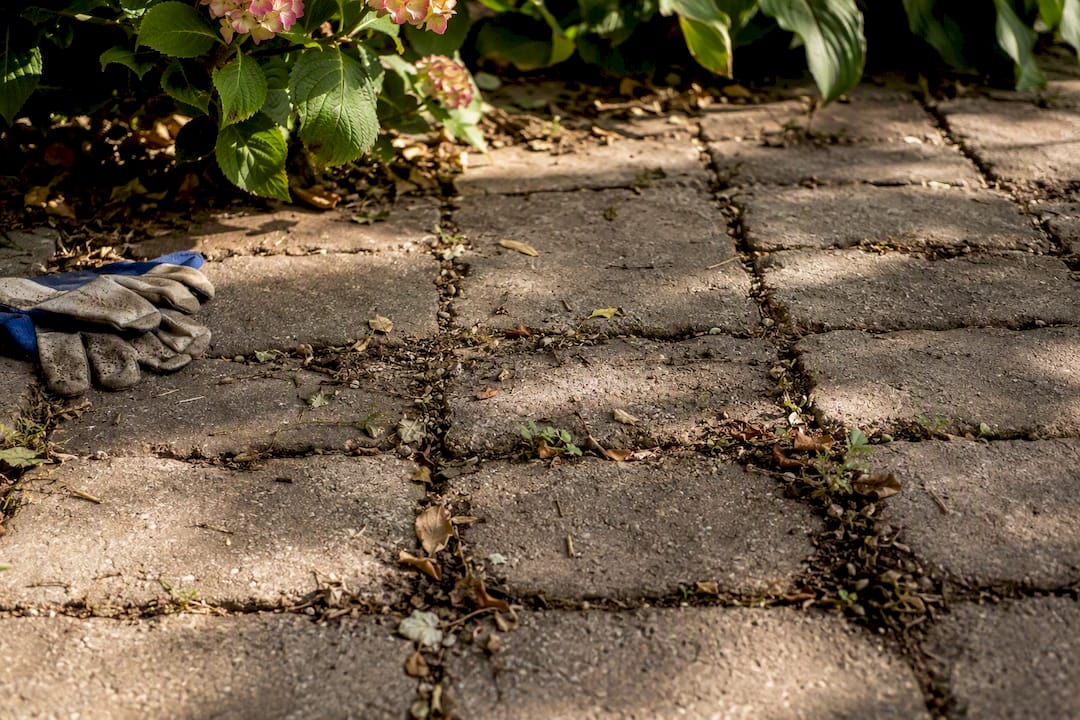
Fine sediment, mulch, and organic debris settle into the joints over time and choke off infiltration. Left unchecked for several years, a permeable patio can start behaving like a regular one, with water pooling instead of draining. Cost is another real trade-off: permeable pavers typically carry a price premium over standard pavers, and options like pervious concrete come in far fewer finishes and colors than traditional stamped or poured concrete.
A few other limits worth flagging before you commit:
Not designed for heavy vehicle traffic or areas that see frequent oil or fuel spills
Performance drops near “hotspots” like garage aprons where concentrated pollutants can migrate toward groundwater
Deicing salt should be used sparingly, since excess salt can wash into the aggregate base rather than running off the surface
Snow removal calls for plastic shovels; metal blades can chip paver edges
Pro Tip: Skip rock salt entirely near permeable joints if you can. Sand or a calcium-based deicer melts ice without pushing chloride into the base layer you’re trying to protect.
Types of Permeable Surfacing: Which Fits a Patio?
Not every permeable material suits a residential patio the same way. Your choice usually comes down to how much design control you want versus how much upkeep you’re willing to do.
Permeable interlocking pavers: the most popular residential choice, offering the widest range of colors, patterns, and joint-fill options (typically small aggregate rather than sand)
Pervious concrete: strong for larger, uniform areas but limited in finish options and better suited to driveways or commercial pads than decorative patios
Porous asphalt: rarely chosen for patios due to its industrial look, though it works well for adjacent parking areas
Grid and vegetated systems: plastic or concrete grids filled with gravel or turf, which blend into a lawn but need more frequent weeding and edge maintenance
For most backyard patio projects, interlocking pavers strike the best balance between looks, permeability, and long-term care.
What a Permeable Patio Costs Over Its Lifespan
Installation costs for permeable pavers generally run higher than standard concrete or asphalt patios, mainly because of the deeper stone reservoir required underneath. A well-installed system can last 20 years or more, but that lifespan depends heavily on how consistently you maintain it.
Maintenance Math: Homeowner guidance suggests permeable pavers can cost more upfront than traditional pavers, but they often offset that gap through lower long-term stormwater and deicing expenses.
Realistic budget factors include:
Annual or periodic vacuum sweeping to remove sediment before it compacts into the joints
Occasional pressure washing every few years to restore surface infiltration
Joint-material top-ups if aggregate or polymeric sand washes out over time
Skip the maintenance, and you shorten the lifespan considerably. Stay on schedule, and the system keeps performing near its original capacity for decades.
Installation and Site Suitability: What to Check First
A permeable patio lives or dies on what’s underneath it, not what’s on top. Before you commit to a material or a contractor, run through these site checks.
Test soil infiltration. Native soils need to drain reasonably well; design manuals flag infiltration rates below 0.5 inches per hour as a signal to add a deeper reservoir or an underdrain instead of relying on straight infiltration.
Check groundwater depth. A minimum vertical separation between the base of the system and the water table protects both drainage performance and groundwater quality.
Size the reservoir correctly. Base depth scales with the contributing drainage area; larger surfaces or heavier expected flow call for deeper stone layers and sometimes pretreatment to catch sediment before it reaches the base.
Account for slope. Steep grades push water across the surface before it can infiltrate, so many installers use a “two-track” or overflow design that limits paved area while routing excess flow safely away.
Keeping a Permeable Patio Working: Maintenance That Actually Matters
Clogging is the number one reason permeable systems underperform, and it’s almost entirely preventable with a basic schedule.
Sweep or blow leaves and debris off the surface weekly during fall
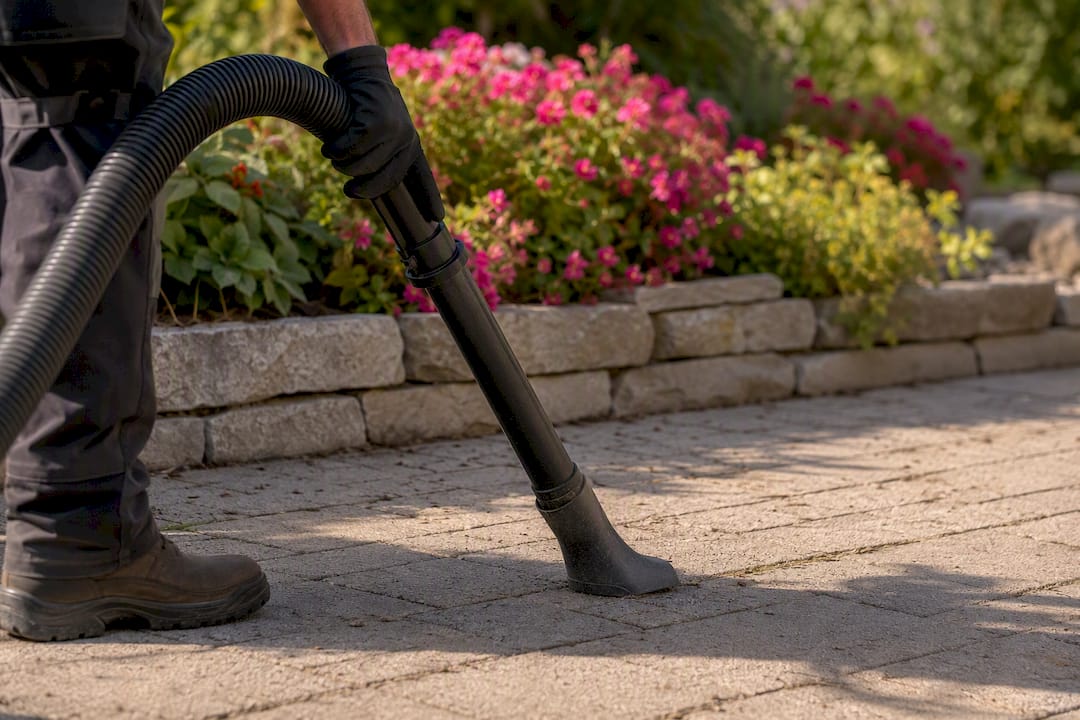
Vacuum the joints once or twice a year, more often if trees or lawns shed heavily nearby
Watch for water lingering on the surface after rain; that’s your clearest clogging signal
Avoid pressure washing alone as a fix; pairing it with vacuuming and a downstream sediment trap prevents fines from just moving deeper into the base
Keeping the surrounding lawn and beds trimmed also cuts down on the debris load that clogs joints in the first place, which is one reason routine lawn cleanup pairs so naturally with permeable hardscape upkeep.
Pro Tip: If a patio has gone more than three years without vacuuming, call in a contractor with specialized regenerative-air equipment rather than renting a shop vac. It’s the difference between restoring full infiltration and just moving the problem around.
Quick Decision Checklist Before You Commit
Run through this list yourself, or hand it to a contractor when requesting quotes.
Confirm your soil type and run a basic infiltration test, or ask your contractor for one.
Check how close groundwater sits to the surface, especially in low-lying yards.
Decide your primary goal: stormwater control, aesthetics, or both, since that shapes material choice.
For small to mid-size patios, lean toward interlocking pavers for the best mix of looks and permeability.
Ask any installer for base depth specs, pretreatment plans for sediment-heavy sites, warranty terms, and a written maintenance schedule.
Budget for annual vacuuming from day one rather than treating it as an optional extra.
Pairing the patio project with a broader yard cleanup, including removing old pavers or hauling in fresh aggregate, is often easier with in-home delivery support for the bulky materials involved.
What the Research Actually Shows Homeowners
Field data backs up the environmental claims, but it also draws a hard line around maintenance.
Academic reviews consistently find that permeable pavements lower runoff and retain pollutants effectively, yet clogging and higher initial costs remain the two most cited barriers to long-term performance, with proper maintenance determining whether lifecycle benefits actually materialize.
The design threshold that matters most is infiltration rate: sites below roughly half an inch per hour need engineered storage or an underdrain, not just a deeper gravel bed and hope. On the pollutant side, permeable systems can cut the need for deicing salt by up to 75 percent in some studies, which lowers chloride loads reaching nearby waterways. Translate that into homeowner terms: a properly sized, properly maintained system performs close to its design specs for two decades or more. A neglected one clogs within a few years and starts acting like ordinary pavement, minus the design flexibility that justified the extra cost.
When I’d Recommend a Permeable Patio, and When I Wouldn’t
I’d recommend permeable pavers for garden patios, seating areas, and anywhere vehicle loads stay light. I’d advise caution near driveways, garage aprons, or any spot with heavy sediment runoff. A hybrid layout, permeable pavers for the main patio with an overflow route to a rain garden, often gives you the environmental upside without the maintenance headache of a full permeable driveway.
— Natalie
Sources
For technical detail beyond this overview, consult the City of Calgary’s permeable pavement guidance, the Rainscaping Manual’s permeable hardscapes chapter, and the University of Kentucky’s AEN-108 design bulletin. For hands-on installation and material comparisons, Village Precision Pros’ paver patio guide covers design options in practical detail.
If your permeable patio project involves clearing out old materials or bringing in new pavers and aggregate, Atlas Kings’ transport service handles the heavy lifting so you can focus on the design and site prep that actually determine whether the system performs.
Recommended
Comments