

When Should You Outsource Furniture Delivery?

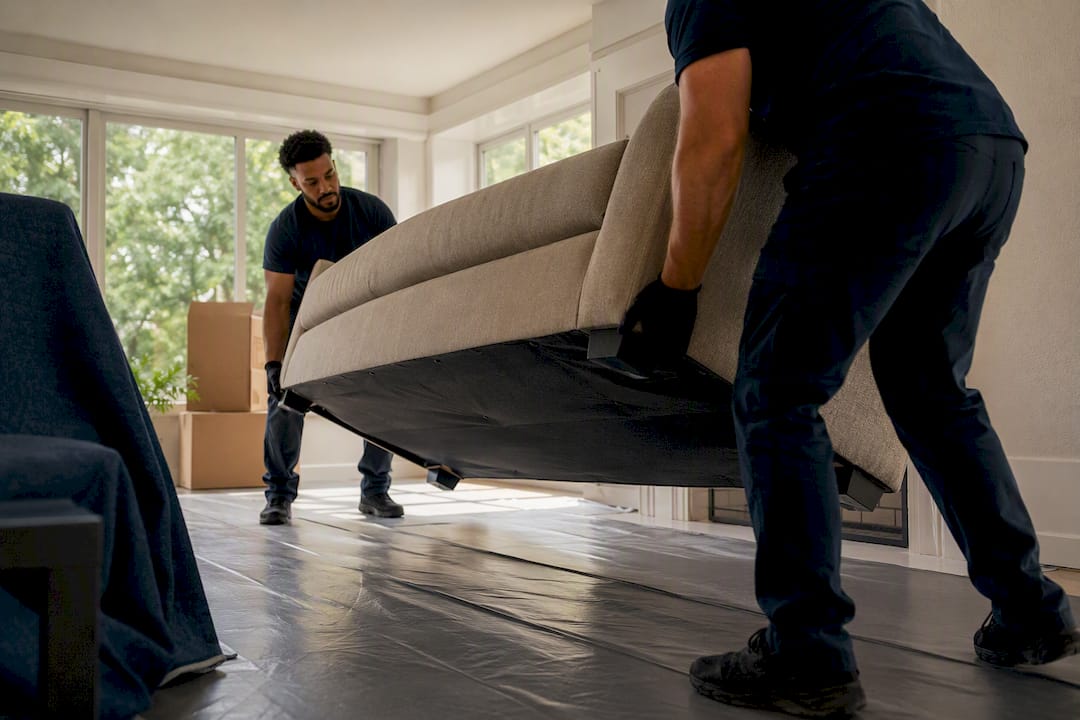
Outsourcing furniture delivery makes sense the moment an item is too heavy, too awkward, or too time-sensitive to handle yourself. If you’re carrying a sectional up a narrow stairwell, assembling a wardrobe with 40 parts, or juggling a work schedule that leaves no room for a DIY move, hiring a professional crew is the smarter call. Busy homeowners, renters furnishing a first apartment, growing families, and small businesses relocating inventory all fall into this category.
Before you book anyone, take one step: request an itemized written quote that lists every fee, and hand over the product links or model numbers for each piece. That single move prevents most of the price surprises that make people distrust movers in the first place.
Get a quote in writing, itemized line by line, not a verbal estimate.
Share product links or model numbers so the estimate reflects real handling complexity.
Confirm licensing and insurance before any deposit changes hands.
Atlas Kings has completed over 500 moves since 2021 as a family-run operation built on flat-rate, itemized pricing, which gives you a working example of what a transparent quote should look like.
Key Takeaways
Outsourcing furniture delivery works best when you request an itemized quote built from product links or model numbers, and bundling assembly into that same visit is what actually lowers your cost.
Point | Details |
Get quotes tied to real items | Share product links or model numbers so pricing reflects actual handling complexity, not a guess. |
Vet before you book | Confirm licensing, insurance, and a written damage claims process before any deposit changes hands. |
Watch for named fees | A trustworthy quote lists stairs, long carry, and same-day charges explicitly instead of a vague catch-all line. |
Bundle to save | Combining assembly and delivery into one visit cuts per-item cost by removing repeat travel time. |
Atlas Kings as a model | Atlas Kings uses itemized, flat-rate pricing across 500+ completed moves since 2021, pairing delivery with optional assembly and decluttering. |
Table of Contents
What Does Outsourcing Furniture Delivery Actually Include?
Not every “delivery” service means the same thing, and that gap is where surprise fees hide. Full-service furniture shipping services typically bundle four things: pickup, transport, placement in the room you choose, and often unpacking and debris removal. Furniture-only movers usually stop at placement, leaving unpacking and hardware disposal to you. Labor-only crews handle the muscle work but skip transport, meaning you supply the truck. Assembly-only providers show up after delivery just to build the piece.
Third-party platforms and retailer add-ons vary widely here, so confirming what’s actually included before booking saves headaches later.
Watch for these common add-ons, which often carry separate charges:
Wall anchoring for bookshelves, TVs, or wardrobes
Furniture protection wrapping for leather or upholstered pieces
Stair or elevator handling beyond the ground floor
Packing material and box removal after setup
Flat-pack wardrobes, sectional sofas, bed frames with hardware, and anything requiring wall mounting almost always benefit from professional handling. A reliable lift and transport crew can also manage oversized or oddly shaped pieces that won’t fit through a standard doorway without disassembly.
How Do You Vet a Furniture Delivery Provider?
Vetting a provider takes fifteen minutes on the phone, and it’s the fifteen minutes that separates a smooth delivery day from a disaster. Start by asking for proof of licensing and insurance, then ask how they handle background checks on technicians who’ll be inside your home. A provider that hesitates on either question is telling you something.
Here’s a practical sequence to follow when you’re comparing quotes:
Request the paperwork first. Ask for a copy of their license, insurance certificate, and their written claims process for damage.
Get the itemized quote tied to your items. Provide model numbers or product links so the number you receive matches the actual job, not a guess.
Ask about extra fees by name. Confirm charges for stairs, long carry distances, and same-day scheduling before you agree to anything.
Read reviews for patterns, not just star ratings. Look for repeated complaints about punctuality, careless handling, or fees that appeared after the fact.
Verify a real business address. A provider with no fixed location is harder to hold accountable if something goes wrong.
Move.org’s checklist of questions to ask before hiring movers is a solid reference for exactly this kind of screening, and it flags the same red flags worth memorizing: a large upfront deposit, a lowball quote given sight-unseen, no written contract, or a vague answer when you ask what happens if something breaks.
Pro Tip: Call two providers and ask the identical question about their damage claims process. The one who can explain it in under a minute, without reading from a script, is usually the one who has actually handled a claim before.
What Drives the Cost of Furniture Delivery?
Furniture delivery pricing generally follows one of three models: per-item flat fees, hourly rates with a minimum (often two or three hours), or full flat-rate packages that cover the whole job regardless of time spent. Each model rewards different situations. Hourly pricing can work against you if there’s a long carry or a walk-up building, while flat-rate packages remove that risk entirely.
Several factors reliably push the price up:
Stairs or elevators, especially in older buildings without service elevators
Limited parking or the need for a permit near the pickup or drop-off address
Long carry distances between the truck and your front door
Bulky, fragile, or oversized items that need extra hands or padding
Rush or same-day requests, which compress scheduling and often carry a premium
Bundling matters more than most people realize. Scheduling assembly for multiple pieces during one visit removes repeat travel and setup time, which lowers the per-item cost significantly compared to booking separate appointments. Professional assemblers typically finish a single piece of flat-pack furniture in 30 to 90 minutes, so combining three or four items into one appointment is usually far more efficient than spreading them across separate bookings.
When you review a quote, check that stairs, long carry, and same-day fees are spelled out by name rather than folded into a vague “additional charges may apply” line.
How Do You Prepare Before the Crew Arrives?
A little prep work on your end shortens the appointment and lowers your risk of extra fees. Movers charge more when they spend time solving problems that could have been solved with a tape measure the day before.
Measure doorways, hallways, and stairwells before you finalize your quote, and confirm the dimensions of each item you’re having delivered.
Provide product links or model numbers at booking. Estimators use this to judge handling complexity, like whether a shipment arrives in multiple boxes or includes heavy panels.
Clear the path from the entry to the final placement room, and label which room each item goes to if you’re moving several pieces at once.
Protect flooring in high-traffic areas and secure pets somewhere safe for the day.
Leave packaging intact. Assemblers rely on original boxes and hardware bags to complete builds, so don’t unpack anything before the team arrives.
Bundle everything into one visit whenever possible instead of scheduling separate trips for separate pieces.
Assembly specialists consistently point to product links and model numbers as the single biggest factor in getting an accurate quote instead of a sight-unseen guess.
What Happens on Delivery Day?
Delivery day usually follows a predictable rhythm. The crew arrives within a set window, walks through the space with you to confirm placement, sets up floor and doorway protection, then loads or unloads the items. Assembly happens next, followed by a final walkthrough where you sign off on the work.

Your crew handles the transport, protection, and building. You’re responsible for clearing the path in advance and pointing out anything fragile or unusual before they start. Expect two documents: a bill of lading and an inventory sheet. If anything gets damaged, note it on the paperwork immediately and take photos before the crew leaves. That documentation is what starts a claim if one becomes necessary.
Timing depends heavily on move type. Local full-service moves typically finish the same day, while multi-city or longer moves often use a pickup day plus a separate delivery window, so build in a buffer rather than planning around a single fixed hour.
Confirm the arrival window the day before, not just at booking
Ask what happens if the truck is delayed by traffic or weather
Keep your phone nearby for real-time updates from the crew
Key Takeaways
Point | Details |
Timeline varies by move type | Local moves often finish same day, while multi-city moves use a pickup day plus a delivery window. |
Documentation protects you | Note damage on the bill of lading and inventory sheet immediately, with photos, before the crew leaves. |
What Most Guides Get Wrong About Hiring Movers
Most hiring guides treat furniture delivery like a commodity: get three quotes, pick the cheapest, done. That advice misses the real variable, which isn’t the price on the page but what’s actually priced into it. A quote built from a two-line email is a guess. A quote built from product links, model numbers, and photos is a commitment. Those are not the same document, even when the dollar figure looks identical.

The other piece conventional wisdom underweights is bundling. People book delivery and assembly as two separate errands because that’s how the jobs feel in their head, one truck, one toolbox. In practice, combining them into a single visit is one of the most reliable ways to cut per-item cost, since it removes a whole round of travel and setup time that you’d otherwise pay for twice.
If I had to boil this down to one instruction, it’s this: treat the quote request itself as the first real test of a provider. A company that asks good questions and wants specifics before quoting is showing you how they’ll handle the actual job. A company that quotes fast and vague is showing you that too.
— Natalie
Why Atlas Kings Fits This Job
If you’ve read this far, you know the friction points: vague quotes, surprise stair fees, and assembly crews who show up without the right tools. Atlas Kings is built around removing exactly those friction points, not adding another layer of guesswork. As a family-run operation with over 500 completed moves since 2021, Atlas Kings uses itemized and flat-rate pricing so the number you agree to is the number you pay.

For furniture and bulky items, the in-home delivery service covers pickup, transport, and placement, while the assembly service can be bundled into the same visit to cut per-item cost. Small moves under ten large items get the same transparent treatment, and if clutter is part of the problem, the ADHD Reset service handles decluttering and organization alongside the move itself. Before you request a quote, have your product links or model numbers ready, along with rough measurements of doorways and stairs. That’s what turns a vague estimate into an accurate one. Start by requesting your itemized quote through the in-home delivery page, and you’ll know the full cost before anyone loads a truck.
Sources
Recommended
Comments