

Moving to Brantford: A Practical Guide for Families in 2026
- William Wooldridge

- 1 day ago
- 8 min read
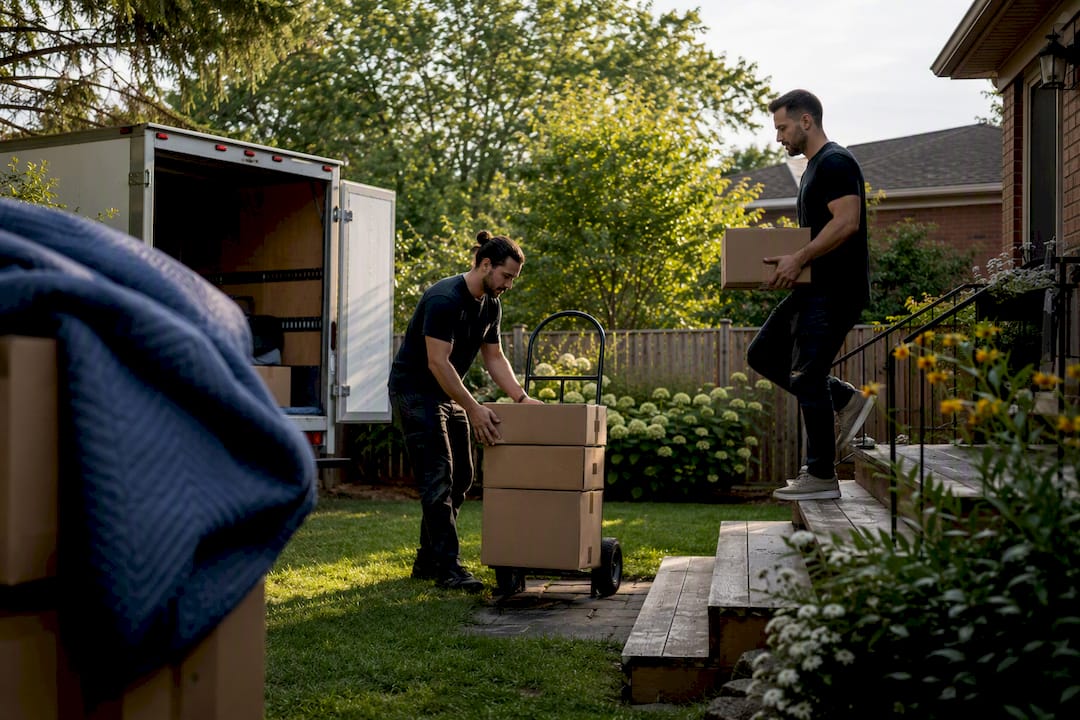
Moving to Brantford makes sense if you want more house and yard for your money and don’t mind driving to get most places. The trade-offs are consistent across neighbourhoods: you gain affordability and space, but you give up walkability and some of the transit options bigger cities offer.
Before you commit, weigh these:
Affordability and space win out over almost every other factor, especially compared to Hamilton or the GTA.
Car-dependence is real. Highway 403 makes commuting workable, but daily life without a vehicle is tough in most areas.
Neighbourhoods vary a lot in character, school access, and how quickly homes sell.
If you’re not sure yet, rent for six months first. If you’re ready to buy, shortlist two or three neighbourhoods and visit them at rush hour before you sign anything.
TL;DR:
Test the actual commute during rush hour to ensure a realistic estimate of daily travel time before making a home purchase.
Renting for six months allows households to evaluate neighborhood suitability without the financial commitment of an immediate purchase.
Budget for a three-month period before Ontario Health Card activation, and consider interim private coverage or travel insurance during this gap.
North End homes sell quickly, making it necessary to act fast and expect competition, while Echo Place offers more affordability for first-time buyers.
Hiring professional movers or helpers for transportation, assembly, and decluttering can reduce stress and save time during the transition.
Table of Contents
Which Brantford Neighbourhoods Fit Your Life Stage?
Brantford isn’t one city, it’s several small ones stitched together, and each pocket suits a different kind of household.
West Brant draws families who want newer builds, larger lots, and good schools within walking distance. It’s the priciest pocket but often the safest bet for resale.
North End moves fastest of any area in the city and tends to attract commuters who want quick highway access without sacrificing a suburban feel.
Downtown suits people drawn to the ongoing revitalization, with restored heritage buildings, restaurants, and river access, though it comes with more urban noise.
East Brantford offers a mix of older bungalows and newer infill, appealing to buyers who want established trees and mature streets.
South Brantford leans quieter and more residential, a solid fit for retirees or anyone prioritizing calm over convenience.
Holmedale has character homes near the Grand River, popular with buyers who want charm over square footage.
Terrace Hill and Echo Place are where budget-conscious first-time buyers look first, since entry prices run lower than the city average.
Before you decide, test the commute at 8 a.m., do a grocery run, and walk the school route if you have kids. Noise levels near the river and rail lines can surprise newcomers who only viewed homes on quiet weekend afternoons.
Pro Tip: Drive your would-be commute on a Tuesday morning, not a Sunday. Traffic patterns on Highway 403 change dramatically between weekday rush and weekend calm.
What Does Housing Cost in Brantford Right Now?
Brantford still delivers more home for less money than most of the Greater Toronto Area, which is exactly why buyers priced out of Hamilton and the Waterloo corridor keep landing here.
Entry-level detached homes typically start at prices considered affordable relative to many nearby markets, with move-up detached properties varying based on lot size and neighbourhood. Condos and townhouses often offer a more accessible entry point, making them a practical starting option for many first-time buyers.
North End moves quickest, so expect competition and less room to negotiate.
Echo Place and Terrace Hill are where first-time buyers find the most attainable entry points, though inventory in these price bands turns over fast too.
The Brantford-Brant Homeownership Program offers assistance for eligible buyers and can shift the math significantly for households on the edge of qualifying. If you’re still weighing rent versus buy, renting for a season while you learn the neighbourhoods costs less than an offer you regret. A first-time home buying guide can help you map out the steps from budget to closing day before you start touring homes.
Is Commuting From Brantford Realistic?
Highway 403 is the backbone of daily life here, connecting Brantford to Hamilton and the Waterloo corridor in under an hour under normal traffic. Without a car, though, options thin out quickly. Brantford Transit covers the city reasonably well for local errands, and VIA Rail plus intercity coach service handle longer trips to Toronto or London, but neither replaces a vehicle for daily commuting.
Drive your actual future commute during rush hour, not off-peak.
Time the door-to-door trip, including parking, not just the highway portion.
Check whether your employer expects in-office days that would make the drive a daily fixture.
Pro Tip: If your job allows hybrid work, ask about it before you buy. It changes which neighbourhoods make financial sense.
Schools, Health Care, and Newcomer Support
School catchment often decides which street a family chooses, not just which neighbourhood. Brantford is served by public and Catholic school boards, and boundaries can split streets that look identical on a map.
Health care access runs through Ontario’s system, but new residents should expect roughly three months before Ontario Health Card coverage kicks in, so budget for private coverage or travel insurance during that gap.
The City of Brantford’s newcomer resources cover everything from settlement services to housing guidance.
The YMCA offers settlement support for new Canadians, useful if you’re relocating from outside the province or country.
What Will Your Monthly Budget Look Like?
Rent in Brantford runs noticeably below Toronto or Hamilton, which is part of the appeal for renters testing the city before buying.
According to City of Brantford housing guidance, a one-bedroom apartment averages in the $1,400 to $1,700 range, while three-bedroom units for families typically land between $2,000 and $2,400. Utilities add roughly $200 to $300 monthly depending on season and home size, and property taxes for a detached home usually fall between $4,000 and $5,500 annually.
Budget separately for moving costs, since they’re rarely a flat number.
Factor in setup costs like internet installation and vehicle registration if you’re coming from another province.
A moving cost calculator built for Ontario households can help you pin down realistic numbers before you book anything, and a broader breakdown of what movers and packers cost fills in the gaps most people forget to budget for.
Your First 90 Days: A Settling-In Checklist
Getting settled smoothly comes down to sequencing, not luck.
Before arrival:
Line up short-term housing if your closing or lease date doesn’t match your move-out date.
Drive the commute you’ll actually use, at the time you’ll actually use it.
Start school enrollment early since some boards require documentation weeks in advance.
First week:
Update your address with Canada Post, banks, and employers.
Transfer or set up utilities before moving day, not after.
Confirm your vehicle insurance reflects your new address and postal code.
First 90 days:
Apply for your Ontario Health Card immediately, since coverage takes about three months to activate.
Get your Ontario driver’s licence and Social Insurance Number updated if you’re arriving from another province or country.
Register for local services like library cards, recreation programs, and waste collection schedules.
If you’re downsizing into a smaller Brantford home, a practical downsizing guide can save you from renting storage you don’t need.
When Should You Hire Help for Your Move?
Atlas Kings has completed over 500 moves since 2021, with itemized and flat-rate pricing that lays out costs before you commit to anything. That kind of transparency matters most when you’re juggling closing dates, school schedules, and a drive to a new city all at once.
Families relocating to Brantford often underestimate how much time small logistics eat up: disassembling a bed frame, hauling a couch up a narrow staircase, or figuring out what to do with the clutter that didn’t make the cut. Professional help on these specific tasks tends to save more stress than people expect.
Consider hiring help for:
In-home delivery of furniture or marketplace finds too large for your own vehicle.
Small moves under ten large items, when a full moving crew is overkill.
Assembly of furniture you bought flat-packed and don’t want to wrestle with alone.
ADHD Reset decluttering if you’re moving into a smaller space and need to sort before you pack.
Ask yourself: how tight is your timeline, how large is the move, and are you dealing with mobility limits or fragile, oversized items? Those answers usually tell you whether to book a crew.
Why Brantford Rewards Patience Over Speed
The conventional advice on relocating anywhere in Ontario tends to focus on price per square foot and calls it a day. That’s incomplete for Brantford. The city rewards households willing to test neighbourhoods at the block level rather than treating it as one uniform market. A street in Holmedale can feel entirely different from one three minutes away in Terrace Hill, and no listing photo captures that.
Where most guides fall short is treating the rent-versus-buy decision as purely financial. It’s really a question of how confident you are in your neighbourhood pick. If you haven’t driven the commute in rush hour or walked the school route, you’re guessing, not deciding.
What should you prioritize first? Commute testing, not mortgage pre-approval. A pre-approval tells you what you can afford. A test drive at 8 a.m. tells you whether you’ll actually be happy living there. Get that order right, and everything else, from neighbourhood choice to moving logistics, falls into place with far less second-guessing.
— Natalie
Get Moving Help That Matches Brantford’s Pace
Atlas Kings is the practical alternative to piecing together your Brantford move yourself, whether that means renting a truck, recruiting friends for a weekend, or hoping a big-box delivery service shows up on time. We offer local and multi-city moving, in-home delivery for large or bulky purchases, small moves under ten items, furniture assembly, and the ADHD Reset decluttering service for households downsizing into a smaller space.

Every quote is itemized or flat-rate, so you know the cost before moving day, not after. That matters most when you’re already managing a school transfer, a new commute, and a house full of boxes. If you’re planning a move to Brantford in the coming months, get a transport quote and lock in your date before the busy season fills our schedule.
Key Takeaways
Brantford works best for households who prioritize affordability and space over walkability, provided they test neighbourhoods and commutes before committing.
Point | Details |
Rent before you buy | Six months of renting lets you test a neighbourhood without committing to a mortgage. |
Test commutes at rush hour | Drive your actual route on a weekday morning, since weekend traffic misinformed many buyers. |
Budget for the health card gap | Ontario Health Card coverage takes about three months, so plan interim insurance. |
North End moves fast, Echo Place is entry-level | Know which pocket fits your budget and timeline before you start touring homes. |
Hire help for the logistics that eat time | Atlas Kings’ itemized pricing covers delivery, small moves, assembly, and decluttering for Brantford households. |
Sources
Recommended
Comments