

How to Move a Couch: DIY Steps and When to Hire

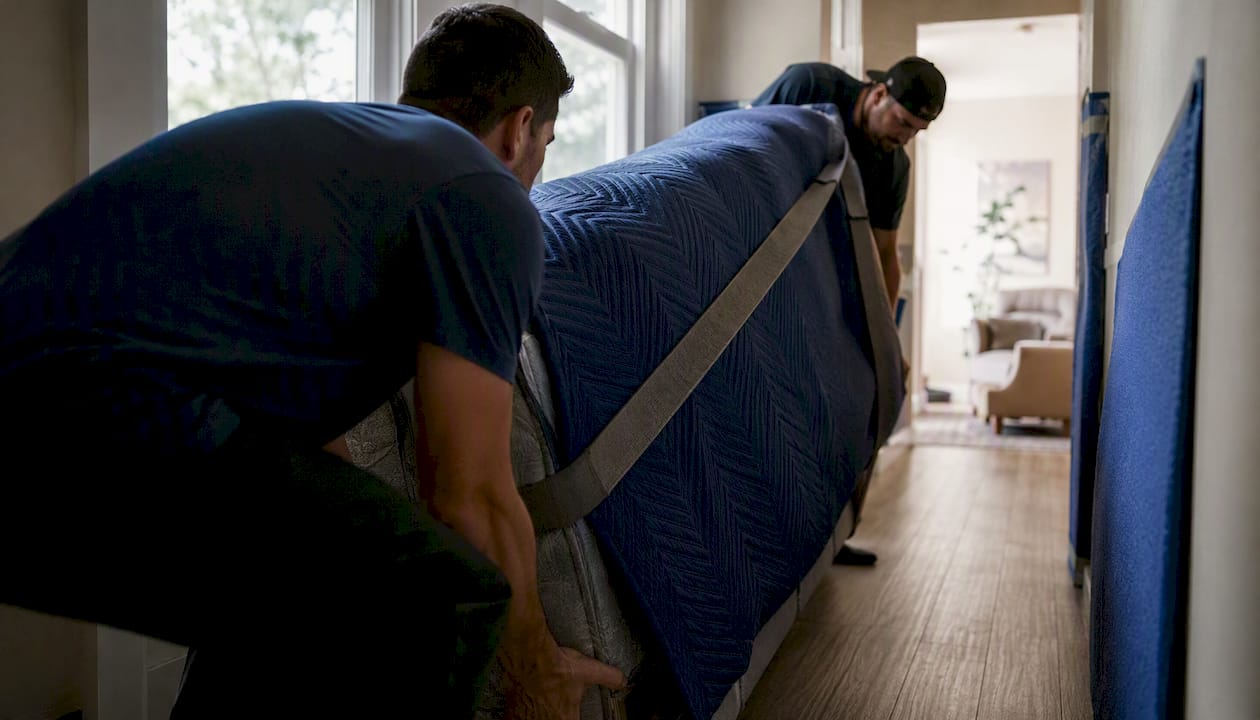
You can move a couch yourself with two people and the right prep in most standard situations. Hire a single-item mover when you’re dealing with a heavy sleeper sofa, more than one flight of stairs, a tight L-shaped landing, or a doorway that geometry simply won’t clear. Atlaskings has completed over 500 moves since 2021 and sees these exact scenarios regularly — the decision to DIY or hire usually comes down to three quick checks:
Measure first: Record your couch’s length, depth, height, and diagonal depth (top-back corner to bottom-front corner). Compare each number against every pinch point: doorway width, hallway width, stair landing clearance, and elevator interior.
Safety rule: Always lift with your legs, keep the couch close to your body, and use lifting straps or a furniture dolly for anything heavy. Two capable adults are the minimum for most sofas — never attempt a solo carry on a full-size couch.
When to hire: Staircases, very heavy sleeper sofas, antique fixed-frame pieces, and tight L-shaped landings all raise the risk of injury or damage enough that trained single-item movers are the safer call.
Key Takeaways
Moving a couch safely comes down to measuring diagonal depth first, protecting the couch and your home, lifting correctly with two people, and knowing exactly when the job calls for a professional.
Point | Details |
Measure diagonal depth | This single measurement determines whether tilting the couch on end will clear the doorway. |
Remove the door first | Tapping out hinge pins adds up to 3.5 inches of clearance in under 10 minutes. |
Hire for stairs and weight | Sleeper sofas, L-shaped landings, and fixed-frame antiques are the clearest signals to call a pro. |
Confirm insurance in writing | Ask any mover for a written estimate and proof of liability coverage before confirming the job. |
Atlaskings for Ontario moves | Flat-rate and itemized pricing, 500+ completed moves, and full equipment included for single-item couch moves across Ontario. |
Table of Contents
How do you move a couch safely, step by step?
A clean, sequential plan keeps the move safe and protects both the couch and your home. Follow these steps from prep through unloading.
1. Measure everything before you touch the couch. Record length, width, height, and diagonal depth. Then walk the full route and measure every doorway, hallway, stair landing, and elevator interior. Write the numbers down. This one step prevents most mid-move surprises.
2. Strip and prep the couch. Remove all cushions, throw pillows, and any detachable legs. Place leg hardware in a labeled zip-lock bag and tape it to the underside of the frame. Lighter and shorter is easier to maneuver through every tight spot.
3. Protect the couch and your home. Wrap the frame in moving blankets and stretch wrap to guard upholstery against scuffs. Pad door frames and wall corners with foam or folded blankets secured with painter’s tape. Floors get scratched by dragging — use furniture sliders under the legs if you need to slide across hardwood.
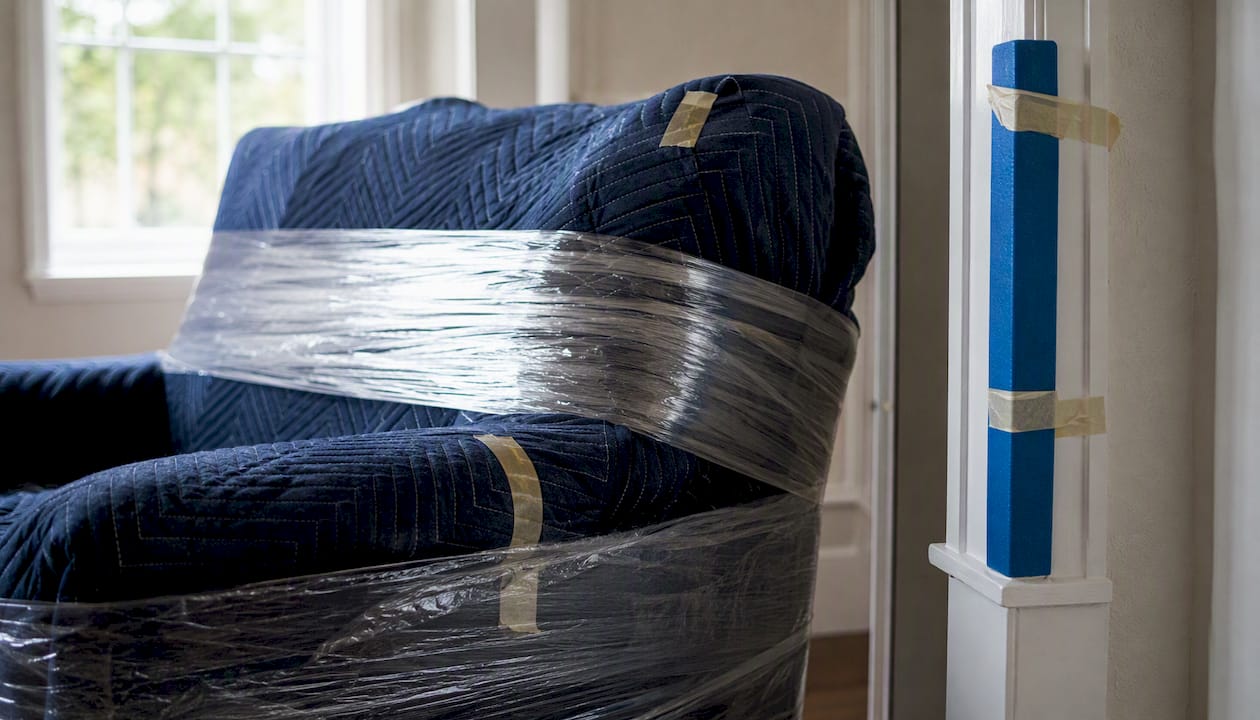
4. Lift and carry with two people. Agree on hand signals before you lift: “ready,” “lift,” “stop,” “down.” Each person grips the frame, not the cushion fabric. Bend your knees, keep your back straight, and lift together. For stairs, use a high-low carry: the person going downstairs holds the lower end, the person going upstairs holds the higher end. Keep the load level.
5. Use a dolly for long hauls. Once you’re out of the tight spaces, set the couch on a furniture dolly and use tie-down straps to keep it stable. Roll rather than carry across flat ground whenever possible.
6. Load into the truck. Use a loading ramp if available. Professional crews typically load sofas upright against padded truck walls and secure them with ratchet straps — this orientation prevents shifting better than laying the couch flat for most local moves. Strap the couch to the truck’s anchor rails before closing the door.
7. Unload and place. Reverse the process. Dolly from the truck to the building entrance, then carry through tight spaces to the final room. Set the couch down gently, reattach legs, and replace cushions.
Wear work gloves to protect your hands and improve grip.
Stop immediately if the load feels unstable or if one person loses their footing.
For a sectional sofa, separate all sections before moving and treat each piece individually.
Pro Tip: Before the move day, walk the full route with a tape measure and a cardboard box cut to your couch’s diagonal depth. If the box clears every pinch point, the couch almost certainly will too.
What do you do when a couch won’t fit through a door or up stairs?
Tight spaces are where most DIY moves stall. The good news is that geometry-based tactics solve the majority of these situations before you need to call anyone.
Understand diagonal depth first
The diagonal depth — measured from the top-back corner to the bottom-front corner of the couch — is often the critical dimension that determines whether a sofa clears a doorway when the upright depth alone would fail. Tilt the couch on its end and that diagonal becomes the effective “height” passing through the opening. Many sofas that look impossible upright clear the door easily on their side.
Try these tactics in order
Remove the door. Tap out the hinge pins with a screwdriver and hammer. This typically adds 2–3.5 inches of clear opening width and takes under 10 minutes. It’s almost always faster and less risky than forcing the couch through.
Remove door-stop molding. Prying off the thin molding strip on each side of the frame can add another 0.5–1 inch per side — sometimes the margin you need.
Tilt and pivot (the hook method). Stand the couch on one end, angle it diagonally into the doorway, then pivot the bottom through while the top clears the frame. This works well for standard rectangular sofas in doorways that are close to the couch’s diagonal depth.
Vertical slide. For stairwells with enough ceiling height, standing the couch fully upright and sliding it along the wall reduces the footprint on the landing.
Window or balcony hoist. A last resort. If you go this route, use proper rigging straps rated for the couch’s weight, have at least three people, and never stand below the suspended load. This is the point where most homeowners should hire professionals with hoisting equipment.
Pro Tip: Removing door-stop molding is the least-known trick in this list. It’s reversible, takes five minutes with a pry bar, and has saved many moves that looked impossible after the door was already off.
When to stop and hire
Stop attempting DIY maneuvers if: the couch has a fixed frame that can’t be disassembled, it’s an antique with delicate joinery, you’ve tried the tilt-and-pivot twice without progress, or the staircase has a tight L-shaped landing with no room to rotate. At that point, professional movers with specialized hook-pivot and partial-disassembly techniques are the right call. Forcing a stuck couch risks wall damage, broken frames, and back injuries.
What tools and supplies do you actually need to move a sofa?
Keep the list tight. You don’t need everything at the hardware store — just the items that do real work.
Moving blankets: Protect upholstery and wall corners. Buy a four-pack; they’re reusable and inexpensive.
Stretch wrap (plastic wrap): Holds blankets in place and keeps fabric clean. One roll is usually enough for a single couch.
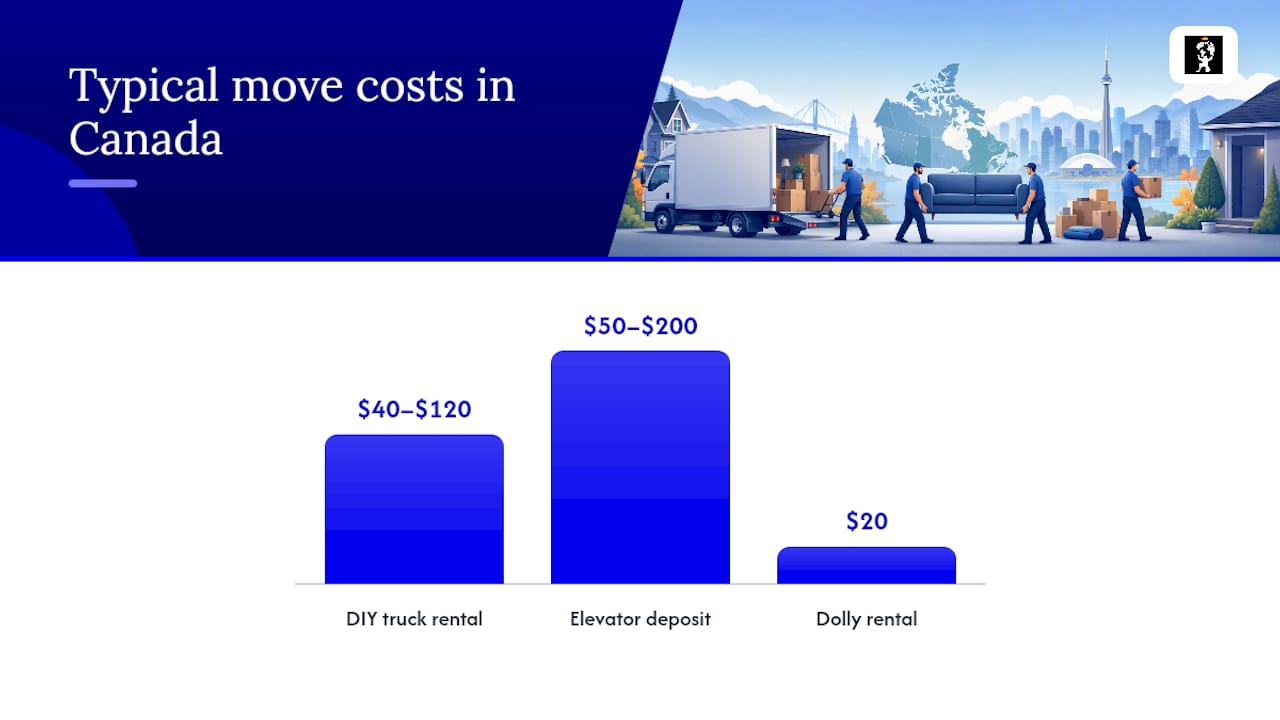
Furniture dolly: Rent one from a hardware store or moving supply shop for under $20/day. Worth every cent for long flat-ground hauls.
Furniture sliders: Inexpensive to buy, and they protect hardwood floors when you need to slide the couch into position. Avoid the cheapest plastic versions — they crack under heavy loads.
Lifting straps: A pair costs $30–$50 and reduces the load on your lower back significantly. Buy these rather than renting; you’ll use them again.
Ratchet straps or tie-down straps: Two straps are enough to secure a couch in a truck. Don’t substitute bungee cords — they don’t hold under shifting loads.
Work gloves: Protect your hands and improve grip on fabric and frame edges.
Labeled zip-lock bags: For leg hardware and any screws from disassembly.
Buy vs. rent guidance: Rent the dolly and any loading ramp from a hardware store. Buy the straps, blankets, and sliders — they’re cheap and useful for future moves. A stair-climbing dolly is a specialty rental item; most homeowners won’t own one, and renting makes sense for a single move. Atlaskings also offers moving box rental if you need packing supplies alongside your move.
What does it cost to move a couch in Canada?
The price you pay depends on how much of the work you take on yourself.
DIY with a rental truck is the lowest out-of-pocket option. A cargo van or small truck from a national rental company typically runs $40–$80 for a half-day in most Canadian cities, plus fuel and any insurance add-ons. Add $20 for dolly rental and you’re usually under $120 total — assuming no damage occurs and you have two helpers who don’t need to be paid.
Labor-only crews are the middle ground. Canadian community threads show people paying in the low-to-mid double digits per hour for short local moves with a labor-only crew. This option suits anyone who can’t drive a large vehicle but wants trained hands and equipment. For a labor-only mover, expect a two-hour minimum in most cities.
Single-item movers with a truck charge either hourly or a flat rate per job. Flat-rate pricing is easier to budget: you know the total before the crew arrives. Hourly pricing works in your favor when the move is straightforward and fast, but adds up quickly on stair-heavy jobs.
Option | Typical cost shape | Movers needed | Equipment included | Insurance |
DIY truck rental | $40–$120 flat | 2+ helpers | Rented separately | None unless purchased |
Labor-only crew | Hourly, 2-hr min | 2 pros | Straps, dollies | Varies by provider |
Single-item mover | Hourly or flat rate | 2 pros | Full kit included | Typically included |
Canadian-specific notes: Many condo and apartment buildings in Ontario require you to book the service elevator in advance and may charge a refundable elevator deposit ($50–$200 is common). Confirm this with building management before move day. Some buildings also restrict move times to weekday business hours, which affects scheduling with any hired crew.
When a DIY attempt damages a wall, door frame, or the couch itself, repair costs can easily exceed what a single-item mover would have charged. For large or awkward items, the math often favors hiring.
How do you choose and hire a single-item mover in Canada?
A short checklist before you book protects you from surprises on move day.
Questions to ask before confirming:
Do you have experience with stair moves and tight doorways?
What equipment do you bring — dolly, straps, moving blankets, ramp?
Are you insured? What are your liability limits if something is damaged?
How many movers will be on the job?
Do you provide a written estimate before the move?
What is your cancellation or delay policy?
Red flags to watch for:
No written estimate — verbal-only quotes leave you unprotected if the price changes.
Vague or evasive answers about insurance coverage.
Cash-only payment with no receipt.
Large unexplained minimums or fuel surcharges disclosed only on arrival.
No photos of their truck or equipment when asked.
Trust signals that matter:
Itemized or flat-rate pricing provided in writing before the move.
Proof of insurance available on request.
Completed-move count or verifiable reviews.
Clear service area and transparent travel/distance fees.
Equipment list confirmed in advance.
Sample quote request you can copy:
What most people get wrong about moving a couch
The standard advice — “measure the door, remove the legs, use a dolly” — is correct but incomplete. What it misses is the order of operations, and that gap is where most DIY moves go sideways.
Most people measure the couch and the door, see that the numbers are close, and decide to try it. They skip the diagonal depth calculation entirely. Then they spend 45 minutes wedging a couch into a frame that was never going to clear upright, scraping paint off both walls in the process. The diagonal depth measurement takes 30 seconds and would have told them immediately to tilt the couch on its end.
The second thing people underestimate is the door removal step. It feels drastic, so they avoid it. But tapping out two hinge pins takes less than 10 minutes, adds up to 3.5 inches of clearance, and is completely reversible. It’s the single highest-return action on this list, and most DIYers skip it because it sounds like too much work.
The third gap is the hire threshold. People tend to frame the decision as “can I physically do this?” rather than “what happens if I can’t?” A couch stuck halfway through a stairwell landing, or a back injury on step three, costs far more than a flat-rate single-item move. The right question is: what is the realistic worst-case cost of a failed DIY attempt, and how does that compare to what a professional would charge?
Atlaskings makes single-item couch moves straightforward in Ontario
Moving a couch yourself is realistic in many situations — but when the stairs, the geometry, or the weight tip the balance toward hiring, you want a crew that shows up with the right equipment and a price you agreed to in advance.

Atlaskings is a family-run moving service operating across Ontario, including Niagara Falls, Hamilton, London, Brantford, Sarnia, Fort Erie, Welland, Grimsby, and Lincoln. Since 2021, the team has completed over 500 moves using itemized and flat-rate pricing — no surprise fees on arrival. Every job includes moving blankets, straps, and a dolly as standard. For single-couch moves with stairs or tight access, the crew assesses the route before quoting so the price reflects the actual job. You can also book on-demand transport for local pickup and delivery of a single item. To get a written estimate or schedule your move, book online at Atlaskings.
Sources
Recommended
Comments