

$600 Assessment Rebate: How Ontario Homeowners Lock In Energy Rebates
- William Wooldridge

- 7 hours ago
- 6 min read
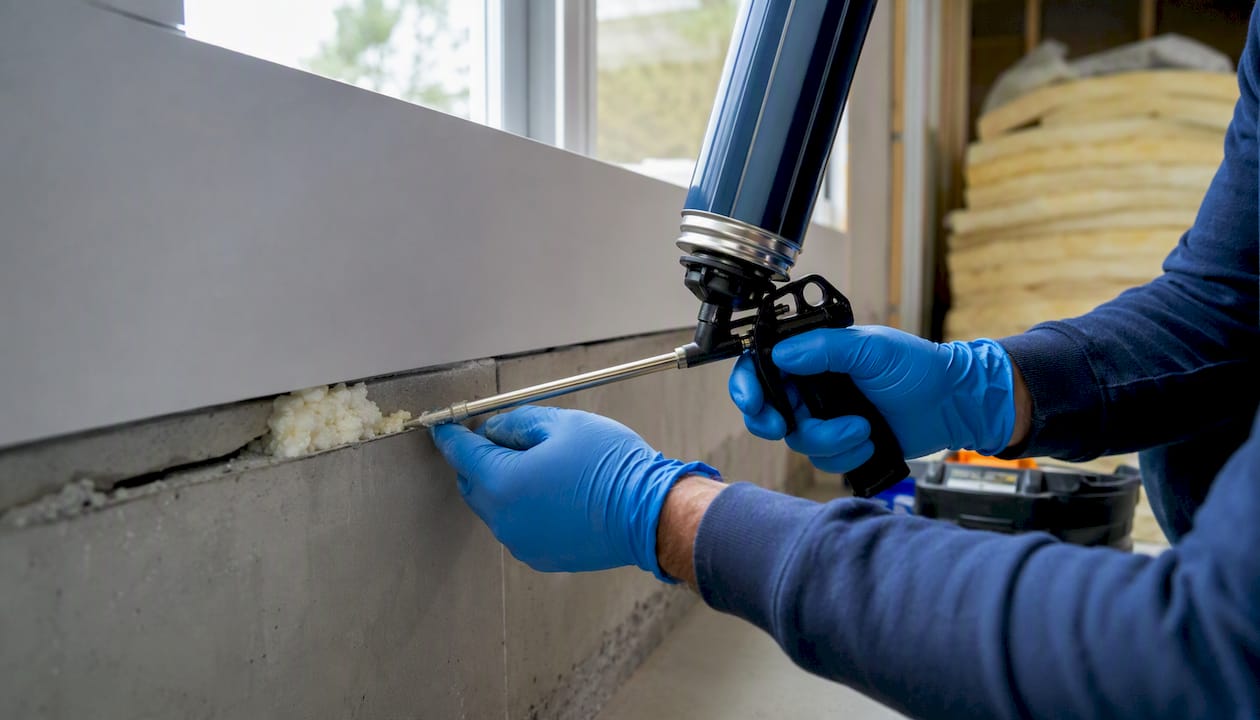
Ontario homeowners can access home energy rebates through the Home Renovation Savings Program, delivered jointly by Save on Energy and Enbridge Gas, plus a separate income-qualified stream called the Energy Affordability Program. These programs cover insulation, windows, doors, air sealing, heat pumps, smart thermostats, solar panels, and battery storage. Start at the Save on Energy portal or your utility’s site, and book a home energy assessment first if you’re planning more than one upgrade.
TL;DR:
Claimants with multiple upgrades should complete a home energy assessment, which triggers a $600 rebate and yields larger combined rebates overall.
Rebate caps vary by upgrade category, with insulation and solar potentially reaching several thousand dollars, depending on project size and number of openings.
Complete documentation, including model numbers, efficiency ratings, and signed installer verification, is critical to avoid claim delays or rejection.
Applying early, choosing a certified installer, and submitting all required paperwork at once can significantly speed up processing times.
Homeowners should declutter and organize their space before the project to facilitate faster installation and ensure necessary documentation is easily obtained.
Table of Contents
What Do Ontario’s Home Efficiency Rebate Programs Cover?
The Home Renovation Savings Program is the backbone of Ontario energy efficiency rebates right now. Launched on January 28, 2025, it operates as a “one-window” program, meaning homeowners apply once through Save on Energy or Enbridge Gas rather than juggling separate provincial and utility applications. That structure alone saves hours of paperwork compared to older programs that required homeowners to track multiple portals.
Eligible upgrades under this program include:
Insulation (attic, basement, and wall)
Windows and exterior doors
Air sealing
Smart thermostats
Heat pumps (air source and ground source)
Rooftop solar panels
Battery storage systems
Save on Energy handles the customer-facing rebate calculations and payment processing, while Enbridge Gas manages delivery for natural-gas customers and coordinates the technical side of assessments and installer verification. Between them, they cover the vast majority of Ontario households, regardless of which utility bills you.
One thing worth clearing up: the Canada Greener Homes Grant is closed to Ontario applicants. If you have seen that program referenced in older blog posts or by a contractor who hasn’t updated their sales pitch, skip it. Natural Resources Canada now points Ontario homeowners toward provincial and utility programs instead, which is exactly where the Home Renovation Savings Program picks up the slack.
Who Qualifies for Ontario Energy Efficiency Rebates?
Most Ontario homeowners qualify for the standard Home Renovation Savings Program rebates regardless of income, but there’s a second track worth knowing about if your household income is limited. The Energy Affordability Program (EAP) provides no-cost upgrades to income-qualified households, often coordinated with Enbridge Gas’s Home Winterproofing initiative. If you qualify for EAP, you may not pay anything out of pocket for insulation, air sealing, or draft proofing.
Coverage is fuel-agnostic. Whether you heat with electricity, natural gas, oil, propane, or wood, you’re eligible to apply. Ownership status matters more than fuel type: most programs require you to own the home you’re upgrading, though some rental and multi-unit provisions exist depending on the specific measure.
Expect to provide:
An EnerGuide report or home energy assessment (if pursuing the bundled pathway)
Product model and serial numbers from your installer
Proof of installer certification or licensing
Pro Tip: Photograph your old equipment’s nameplate before removal. Installers sometimes forget to note the exact model number on invoices, and you’ll need it if your rebate claim gets flagged for review.
How Much Can You Actually Get Back?
The “up to” language on rebate program pages frustrates a lot of homeowners, and fairly so. Here’s how the numbers actually break down.
Bundled pathway. Book a home energy assessment, then complete two or more eligible upgrades. This unlocks a $600 rebate for the assessment itself plus larger combined rebates than you’d get upgrade by upgrade. Save on Energy structures it this way because bundled retrofits deliver more total energy savings, and the province wants to reward that.
Single-upgrade pathway. Skip the assessment and claim a rebate for one measure, like new windows or a single heat pump. You’ll get a smaller total rebate, but you avoid the assessment cost and the scheduling delay that comes with it.
Headline caps by category. Insulation rebates can run rebates reaching several thousand dollars depending on the area covered. Windows and doors are rebated per rough opening rather than as a flat total, so a home with more openings sees a higher combined figure. Heat pumps carry some of the largest rebates in the program, with amounts varying by system type and capacity. Solar installations can qualify for rebates in the thousands, with battery storage adding to that ceiling.
Every one of those caps assumes full documentation: correct model numbers, efficiency ratings, and installer sign-off. Ontario framed this entire push as part of a 12-year, $10.9 billion investment in energy efficiency, designed to reduce strain on the grid rather than build costly new generation capacity. That’s the policy logic behind why heat pumps and insulation get bigger dollar amounts than smart thermostats.
How Do You Apply, and How Long Does It Take?
Getting your paperwork in the right order before installation day saves weeks of back-and-forth later.
Check eligibility first. Register on the Save on Energy portal or your utility’s website and confirm your home and planned upgrades qualify.
Choose your pathway. If you’re doing multiple upgrades, book a home energy assessment before any installation work starts. This captures your baseline EnerGuide data and locks in the $600 assessment rebate.
Select a certified installer. Confirm they can supply model numbers, capacity ratings, and ENERGY STAR or equivalent certification documents before work begins, not after.
Submit your claim promptly. Include every piece of paperwork the first time. Missing documentation is the single biggest cause of processing delays.
Processing timelines vary by upgrade type and season (spring and fall installation rushes tend to slow things down), but claims with complete documentation move faster than ones requiring follow-up requests. If Enbridge Gas or Save on Energy contacts you for missing information, respond quickly. Claims sit in limbo far longer when homeowners take weeks to send a single missing invoice page.
Checklist: Avoiding a Rejected Rebate Claim
Rejected claims almost always trace back to paperwork gaps, not eligibility problems. Before your installer packs up, verify your invoice lists:
Model and serial numbers for every piece of equipment installed
Efficiency ratings (HSPF/SEER for heat pumps, R-value for insulation)
A clear breakdown of labor versus materials costs
Keep your EnerGuide report, all receipts, before-and-after photos, and any permits your municipality required. Watch for red flags: equipment that isn’t ENERGY STAR certified, installers who can’t produce their own licensing on request, or missing capacity documentation for heat pumps and solar systems. Any one of these can stall or sink a claim.
Pro Tip: Ask your installer for a digital copy of the efficiency spec sheet the same day work finishes. Contractors who install dozens of systems a month sometimes can’t track down paperwork for a specific job three weeks later.
Atlas Kings’ Take: Sequencing Retrofits So Rebates Actually Land
We’ve moved and organized enough Ontario homes to notice a pattern: the retrofits that go smoothly are the ones where the homeowner cleared the space before the installer showed up. A cluttered basement or a garage full of boxes adds hours to insulation or heat pump work, and rushed installers are more likely to skip the documentation step that your rebate depends on.
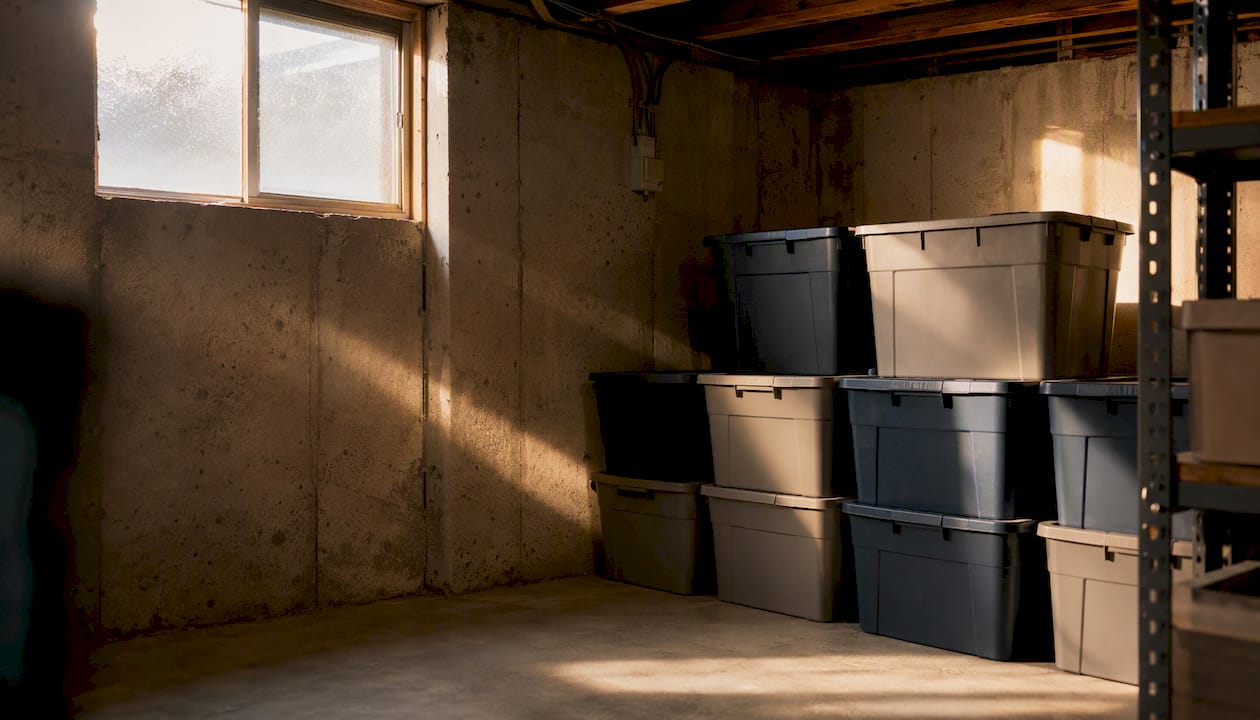
Our itemized, flat-rate pricing model exists for the same reason program administrators want detailed invoices: transparency avoids disputes later. If you’re staging a home for multiple upgrades, our decluttering service or in-home delivery support can clear the path before your contractor arrives. For deeper detail on specific measures, we’ve also covered heat pump rebate specifics and what a home energy audit actually costs.
Homeowners weighing solar as part of a bundled upgrade can also look at our sustainable energy coordination page for how installation logistics fit into a broader renovation timeline. Ready to clear space or move items before your retrofit begins? Book a service with Atlas Kings and keep your project on schedule.
— Natalie
Sources
For the most current figures, skip the secondhand blog posts and go straight to the source. The Ontario Newsroom backgrounder covers the province’s overall investment. The Save on Energy program page lists live rebate amounts. Enbridge Gas customers should check their rebate delivery pages directly, and homeowners considering window replacements can review this partner breakdown of window-related credits alongside their provincial rebate.
Recommended
Comments